

October 5, 2026
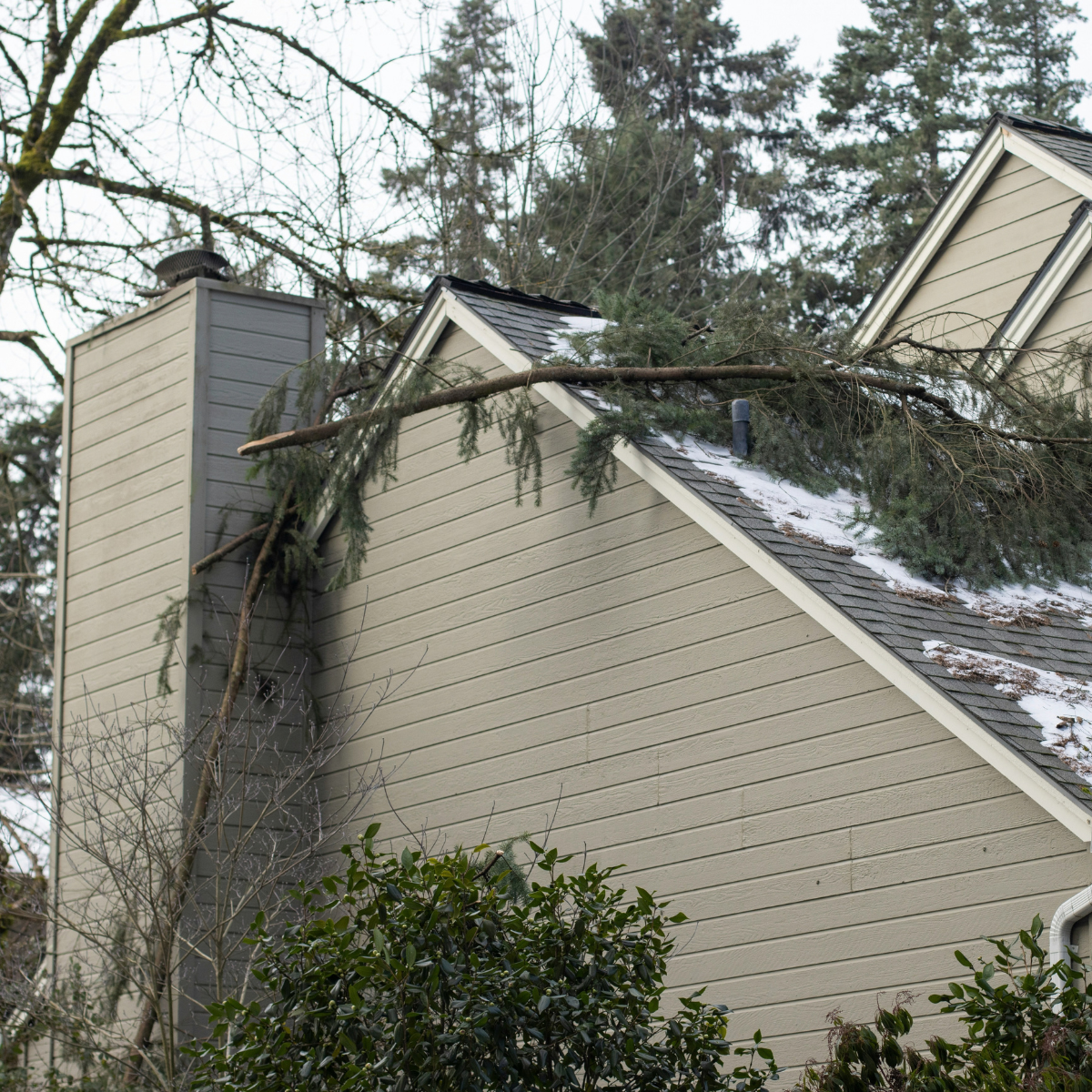
If you drive through Greenville, NC after a storm the damage may look random. One yard loses a sixty-foot pine while the oak next door never dropped a limb. Luck has less to do with it than most homeowners think. Species, root depth, and spacing largely decide which trees fail, and understanding those factors changes how you evaluate your own property. Homeowners looking for a tree service Greenville NC residents can rely on usually want a straightforward answer about which trees actually pose a risk.
According to N.C. Cooperative Extension, studies of trees surviving hurricanes found live oak, southern magnolia, and bald cypress among the most wind-resistant species. Hickory, persimmon, shumard oak, river birch, and black gum also performed well, and every one of those thrives along the Carolina coast.
The list of poor performers is seen in many Eastern North Carolina yards. Extension names pecan, Bradford pear, Leyland cypress, lacebark elm, red and silver maple, green ash, pines, laurel and water oak, and tulip poplar as weak-wooded and prone to wind damage.
If a mature pine or water oak stands within striking distance of your roof, that combination deserves a professional assessment well before a storm forms.
Wood strength only matters if the tree stays anchored. Trees with deep, wide-spreading root systems resist blowing over, and shallow soils prevent those systems from ever developing.
Extension flags two barriers common throughout our region: high water tables and soil compaction. Where either sits within eighteen inches of the surface, large maturing trees struggle to anchor properly. Saturated ground during a hurricane compounds the problem, which is why uprooting often accounts for more tree removal in Greenville NC than snapped trunks do.
This is something that surprises homeowners more than anything else on the list. Extension notes that severely pruned trees become more likely to develop decay and fail in strong winds.
Cutting a canopy back hard feels like storm prep. It works against you. Proper pruning removes deadwood and reduces specific hazards without stripping the structure a tree depends on, which is exactly the distinction and detail a trained tree service Greenville NC crew brings to the job.
Trees planted in groups come through storms intact more often than isolated specimens. Extension recommends clusters of five or more, spaced within ten feet of one another and staggered rather than lined up.
That single standing oak in the middle of an open lawn faces wind with nothing shielding it, and nothing shares the load.
You cannot change what previous owners planted but you can evaluate it honestly. A certified crew identifies which species on your lot carry elevated risk, whether root conditions support their size, and which candidates warrant removal versus selective pruning.
Handling that work before June beats scheduling after a watch is issued, when every emergency tree service in the county already has a waiting list. Our crews respond fast when storms do damage, but preventing the removal entirely serves you better than any emergency tree service call ever will.
Toler's Tree Service has spent more than 10 years working on Eastern North Carolina properties with fully insured, certified technicians who know which species fail here and why. If you want a tree service Greenville NC homeowners genuinely trust to assess your risk honestly, contact us today for a free evaluation before the next storm develops.

