

April 10, 2026
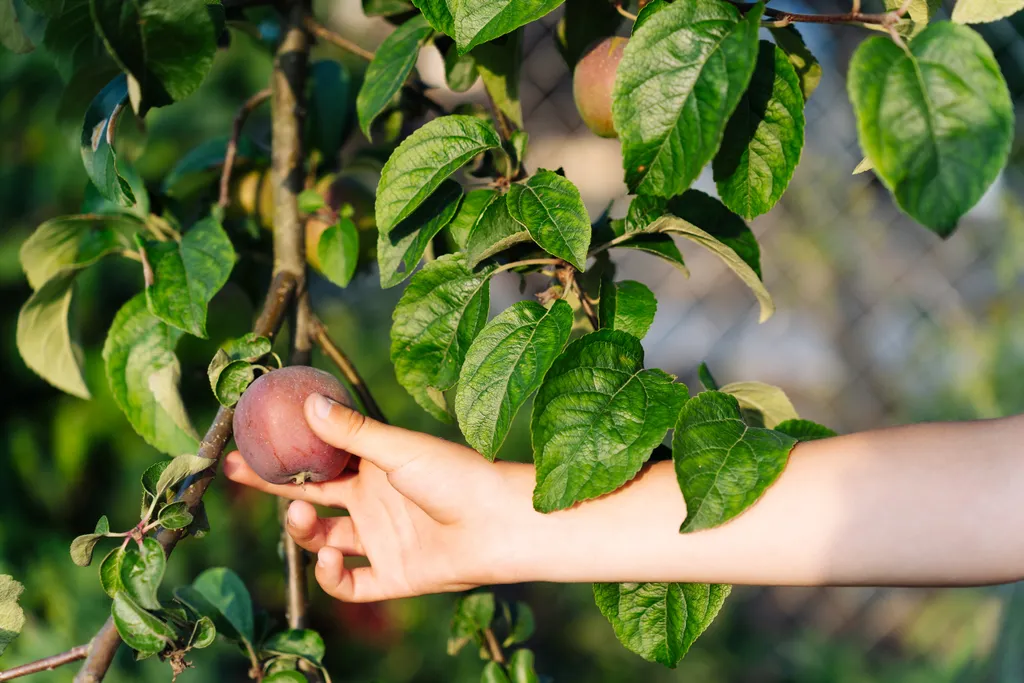
There is nothing quite like the satisfaction of biting into a crisp apple or a juicy peach grown right in your own backyard. However, to get that perfect harvest, your trees need more than just sunlight and water, they need attention. At Toler’s Tree Service, we understand that caring for fruit trees can feel intimidating, but it is the secret ingredient to a healthy orchard. Understanding fruit tree pruning basics is the first step toward ensuring your trees remain productive, safe, and strong year after year.
Many homeowners hesitate to cut their trees, worrying they might accidentally cause harm. In reality, neglecting this task often leads to overcrowding, shaded interiors, and poor fruit quality. Pruning opens up the canopy, allowing sunlight and air to circulate freely to every branch.
The University of California Department of Agriculture and Natural Resources explains that good airflow is crucial for reducing fungal diseases and ensuring fruit ripens evenly. By removing excess growth, you help the tree direct its energy into producing sweet, high-quality fruit rather than just growing more wood and leaves.
Timing is everything when it comes to tree care. For most fruit trees, the ideal time to make structural cuts is in late winter while the tree is still dormant, just before spring growth begins. This minimizes stress on the tree and allows wounds to heal quickly once the weather warms.
If you are unsure about the specific needs of your tree variety, professional tree pruning Greenville NC can help ensure you don't accidentally sacrifice the coming season's harvest.
When you are ready to start, a simple rule of thumb can guide your first cuts. This concept is at the core of fruit tree pruning basics:
According to the Arbor Day Foundation, removing damaged, diseased, or dead branches should always come first before focusing on shaping the tree for size or appearance.
Gardening is a marathon, not a sprint. A little bit of attention each year is far better for the tree than drastic, heavy cutting every five years. Regular Greenville tree maintenance keeps the tree at a manageable height, making harvesting easier and preventing branches from becoming too heavy and hazardous.
Caring for fruit trees is a rewarding responsibility that pays off in delicious ways. By mastering fruit tree pruning basics, you are investing in the long-term health of your landscape and the quality of your food. However, if your trees have become overgrown or you are unsure where to make the right cuts, Toler’s Tree Service is here to support you. Contact us today to schedule a consultation and let us help your trees reach their full potential.

